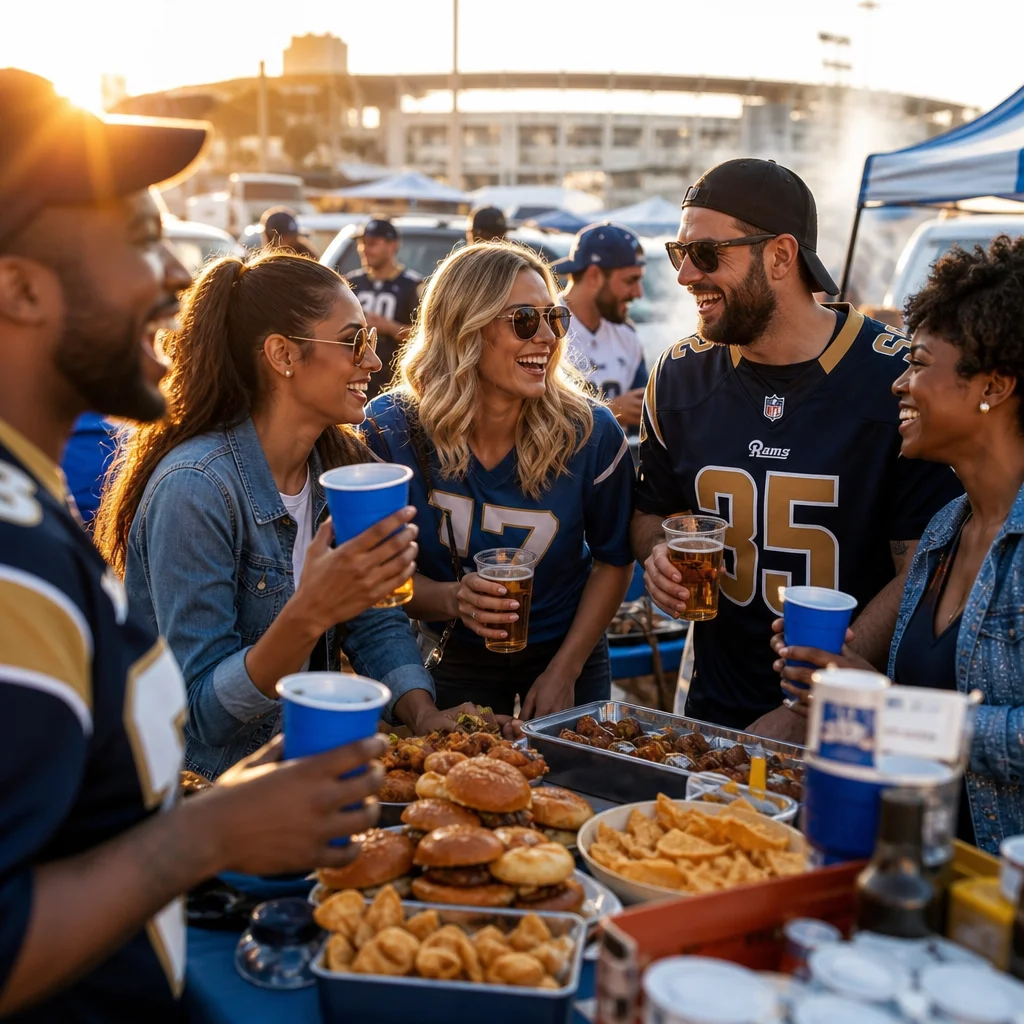
There is a quiet, universal ritual that repeats itself in stadiums and arenas across the globe, transcending borders, languages, and leagues. It rarely makes the highlight reels, and it is never captured by the tactical cameras tracking player movement. It is the simple moment a stranger or a neighbor in the row offers a piece of what they brought: half a stadium sandwich, a handful of salted nuts, a slice of a warm homemade pie wrapped tightly in crinkling foil. Down on the pitch, the game races on, but for those few seconds, a miniature human community is built out of thin air. That gesture is far more than a casual snack. It is one of the oldest, most enduring social layers of live sport.
Why Food and Sport Have Always Belonged Together
Long before modern ticket gates, multi-million-dollar broadcast deals, and branded merchandise, athletic competition was fundamentally a public festival—and festivals have always required communal eating. In ancient Greece, athletic contests were deeply intertwined with religious festivals where livestock was sacrificed and the meat was roasted and distributed among the massive crowds. The Roman games drew bustling ecosystems of street traders, bakers, and wine vendors to the perimeter walls of the Colosseum. Medieval European fairs combined grueling wrestling matches, archery tournaments, and horse races with wooden stalls selling heavy meat pies and fermented ale.
This pattern replicated itself across every inhabited continent because it addressed a primal human necessity: people who travel great distances to witness a spectacle need sustenance. More importantly, consuming food collectively transforms an anonymous, volatile mob into an organized, cooperative community. When sport transitioned from open village greens to enclosed Victorian stadia, and eventually into televised global spectacles, food did not disappear. Instead, it evolved from basic survival rations into an essential psychological ritual. Today, attending a live match without a specific culinary tradition feels hollow to millions of fans. That longing is not mere hunger; it is a deep-seated craving for a shared cultural experience that begins hours before kickoff at the backyard grill, the trunk of a car, or the kitchen counter.
The Shared Plate as a Universal Social Contract
Social anthropologists use the term commensality—the practice of eating together at the same table—as a fundamental building block of human civilization. Sharing food is a visceral, evolutionary signal of trust. When an individual breaks bread with another, they are non-verbally communicating safety, mutual respect, and belonging. A modern sports stadium is a pressure cooker filled with thousands of strangers who share almost nothing in common except their geographic loyalty or team colors. Food acts as the ultimate social lubricant, instantly melting away barriers. Passing a bag of crisps down a tightly packed stadium row performs more effective diplomacy and team-building than an hour of forced small talk.
Tailgating: The Parking Lot as a Second Stadium
In North America, the tradition of tailgating has blossomed into an elaborate, multi-billion-dollar subculture complete with professional-grade smokers, folding tables, television monitors powered by generators, and meticulously organized menus. Hours before a football kickoff, asphalt parking lots transform into vibrant tent cities driven by unwritten codes of hospitality. Neighbors who might fiercely disagree on politics or neighborhood zoning laws will happily trade a smoky slider for a slice of a stranger’s slow-smoked brisket. Out-of-town visitors wearing opposing jerseys are frequently welcomed and fed before they can even locate their seats. The tailgate meal is never a mere distraction from the upcoming game; it is the emotional warm-up, and for many multigenerational families, it remains the most cherished part of the matchday tradition long after the final whistle blows.
Matchday Rituals in European Football and Beyond
European football culture relies on its own distinct, rugged culinary architecture built around soot-stained railway arches, crowded local pubs, and concourse kiosks. The iconic combination of a heavy meat pie and a steaming pint before kickoff, a charred bratwurst stuffed into a crusty roll in Germany, or a paper tray of salted chips on a freezing away-match day in northern England anchors the fan experience. These foods rarely win awards for culinary refinement, and that lack of pretension is precisely the point. They are comforting, affordable, dependable, and consumed shoulder-to-shoulder by people who have occupied the exact same stadium terrace for decades. This sensory routine imposes order on chaos, turning the nervous anticipation of a long walk to the stadium into a comforting march.
Fire, Patience, and the Latin American Asado
In Argentina, Uruguay, and southern Brazil, the live-fire grill sits at the absolute center of matchday culture. An authentic asado is a slow, methodical process that demands hours of preparation, and nobody complains about the wait because anticipation is built into the ritual. Friends and family arrive long before kickoff, designated grillmasters tend the embers with surgical precision, and the cooking schedule aligns perfectly with the flow of the match. A plate of spiced chorizo arrives just before the players take the pitch, while tender beef ribs are served right around halftime. The rhythm of the fire mirrors the rhythm of the game. Long after the stadium lights shut off, the embers continue to glow, and the post-match tactical debates continue late into the night.
Bento Boxes and Noodle Bowls: Sport’s Asian Tables
Japanese baseball is fundamentally inseparable from its intricate food culture. Fans arrive with meticulously packed bento boxes, sharing bite-sized sushi rolls, seasonal sweets, and beer poured by roaming vendors who scale steep concrete steps with heavy keg backpacks. At high school baseball tournaments, families bring multi-tiered homemade feasts that rival fine dining. In South Korea, crispy fried chicken paired with ice-cold beer has become the definitive baseball stadium pairing, prompting an entire industry of delivery scooter drivers to swarm stadium gates. In India, cricket matches are soundtracked by the hiss of steaming chai, the crunch of spiced samosas, and sugary mithai passed rapidly down endless rows of spectators who may never learn each other’s names.
Halftime: The Original Social Intermission
The standard fifteen-minute halftime break exists primarily for tactical adjustments and player recovery, but sports fans have brilliantly repurposed it as a social intermission. Concourse queues swell instantly, hip flasks are discreetly unscrewed, and rows of fans who sat in tense, unbroken silence for forty-five minutes suddenly erupt into animated conversation. In colder climates, the break is an urgent exercise in thawing cold fingers around a hot cup of broth or tea. In warmer regions, it offers a fleeting escape from the blistering sun into shaded concourses. Regardless of the climate, this communal pause resets the collective emotional temperature of the crowd, preparing everyone for the dramatic swings of the second half.
The Psychology and Neuroscience of Eating Together
Modern behavioral research consistently demonstrates that eating in groups yields tangible psychological benefits. People who regularly share meals report heightened feelings of social belonging, increased baseline trust toward peers, and significantly improved moods compared to solitary eaters. Neuroscientists suggest that communal dining triggers the release of endorphins—the exact same chemical compounds associated with physical exercise, group singing, and shared laughter. This biological mechanism explains why strangers bond so rapidly over stadium food. When paired with the emotional highs and lows of live athletic competition, these chemical triggers forge remarkably durable memories. A sudden taste or aroma from a childhood stadium can instantly resurrect the vivid memory of a match played thirty years prior.
From a practical standpoint, eating together serves a functional purpose during high-stress moments. A shared meal gives nervous fans something to do with their anxious hands, providing a temporary escape from the pitch that lowers blood pressure during a tight, scoreless contest. It softens the bitter sting of a heartbreaking defeat and extends the golden glow of a glorious victory.
Food as Identity, Heritage, and Resistance
What a community eats inside a stadium serves as an uncompromised badge of cultural identity. Regional dishes become localized monuments of pride, and classic sports rivalries are frequently expressed through food as much as athletic dominance. A city earns global renown for a specific style of smoked meat, a legendary sandwich, or a unique local condiment, and fans defend these culinary cornerstones with fierce passion. For immigrant populations worldwide, the stadium concourse acts as a vital bridge where traditional heritage cooking meets a new homeland. A family recipe carried across oceans transforms into an established matchday ritual for an entire neighborhood.
The Logistics of Feeding a Stadium Crowd
Behind every seamless matchday feast lies the logistical mastery of an experienced event manager. Seasoned tailgaters plan menus prioritizing structural integrity: food that travels well, retains its flavor at ambient stadium temperatures, and can be consumed comfortably using only one hand while the other holds a beverage or a program. Portions are intentionally generous without being overly complex. Dips are secured in tightly sealed jars, sides are portioned for easy passing, and cleanup kits packed with wet wipes, heavy-duty paper towels, and trash bags prevent post-game chaos. The ultimate matchday recipe leaves everyone fully satisfied and completely focused on the action.
When Traditions Adapt to Modern Realities
Stadium gastronomy is undergoing a massive transformation. Skyrocketing concession prices, shifting dietary preferences, and heightened culinary expectations mean fans now demand restaurant-grade quality over lukewarm, mystery-meat pies. Plant-based and vegan offerings have expanded from token menu items to robust culinary categories, while progressive sports venues source ingredients locally to meet ambitious sustainability targets. Yet, despite these sweeping modern changes, foundational traditions endure. The classic meat pie still sells out by the fiftieth minute. The smoky sausage kiosk still draws a serpentine queue. These comfort foods survive because they provide stability in a rapidly changing world.
Teaching the Next Generation
Children absorb sports culture through the communal table long before they master complex rules like the offside trap or the intricacies of zone defense. They learn foundational social etiquette: waiting patiently until every guest is served, offering the final portion to a neighbor before taking it, and understanding that the person cheering for the rival team is still a human being worthy of a polite nod. These minor lessons extend far beyond the stadium gates. A child raised in the vibrant ecosystem of stadium tailgates and shared row snacks carries those collaborative habits into corporate boardrooms, community organizations, and family kitchens for the rest of their lives.
How to Host Your Own Matchday Feast
Recreating the magic of stadium commensality at home requires strategic planning. Focus on dishes that can be prepared well in advance—slow-cooked chilis, hearty stews, pulled meats, and robust grain salads actually improve in flavor after resting and require zero attention during pivotal moments of the game. Introduce a single element of live culinary theater to capture the stadium atmosphere: a smoking tabletop grill, a sizzling skillet of sausages, or a bubbling pot of queso. Keep beverage stations self-service and abundant. Encourage guests to bring a dish to share, allowing the menu to assemble itself organically. Set the spread out before kickoff and accept that the food will naturally be consumed in energetic waves—a frantic pre-game rush followed by a relaxed post-game debrief.
The Stories That Stay
Years after the final whistle sounds on a routine league fixture, spectators rarely remember the exact tactical formation or the minute details of every play. What remains etched in their memories is entirely human: who sat directly beside them, what aromas drifted across the row, and what was said when the food finally ran out. Shared meals grant live sport a cultural permanence that athletic scores alone can never generate: an irresistible reason to stay a little longer, talk a little deeper, and return to the stadium next season. Tournaments end, championships are lifted and forgotten, but the sacred human habit of gathering over food endures for generations. That is precisely why the shared plate matters just as much as the pitch.