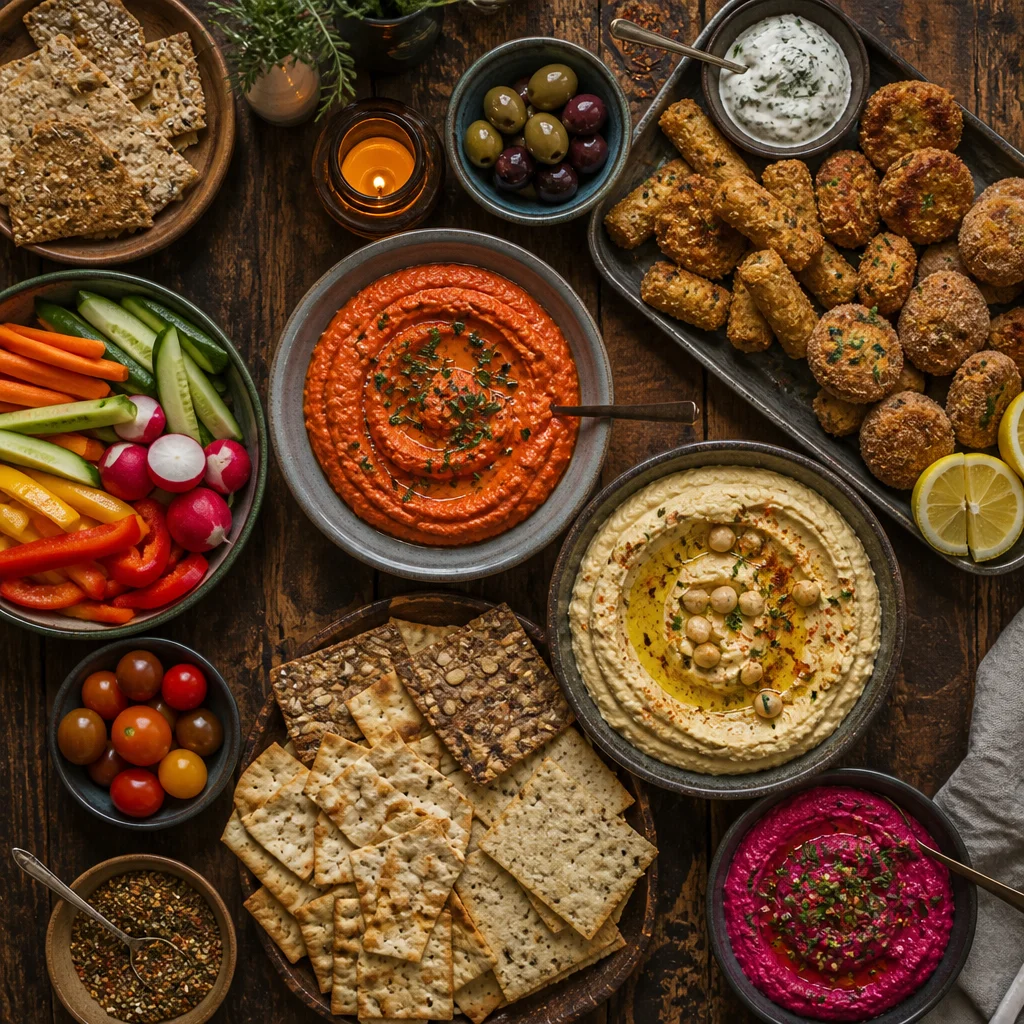
Homemade Dips and Finger Foods for Casual Social Gatherings
A successful casual get-together rarely requires a formal sit-down dinner. Instead, the most memorable evenings naturally gravitate toward a kitchen island or a living room coffee table, anchored by a few bowls of velvety dips, a rustic board of crunchy dippers, and guests mingling comfortably. Homemade dips and finger foods are specifically engineered for this relaxed atmosphere. They travel effortlessly from stovetop to table, invite grazing at will, and allow guests to tailor their plates to exact personal preferences without interrupting the flow of conversation.
Beyond convenience, there is immense practical value. Small bites and spreads are inherently budget-friendly, highly adaptable, and largely friendly to advance preparation. In fact, many dips actually improve in flavor after a few hours of resting in the refrigerator as spices and aromatics meld. This comprehensive guide outlines how to curate a visually abundant spread without burning out the host, details five foolproof dip recipes worth adding to your permanent repertoire, and covers essential strategies for food safety, staging, and stress-free execution.
Why Dips and Finger Foods Suit Casual Crowds
Social dynamics shift positively when guests are liberated from the constraints of a traditional dinner plate. A communal bowl of dip serves as an icebreaker, encouraging standing, wandering, and casual conversation. Because grazing happens organically over the course of several hours, late arrivals never disrupt the meal, and hosts are entirely free from policing strict serving times.
Furthermore, finger foods offer built-in dietary flexibility. A thoughtful spread naturally accommodates vegetarians, gluten-sensitive eaters, and dairy-avoiders simply through the variety of raw vegetables, corn-based chips, and distinct plant-based dips available on the table. From a culinary perspective, dips are among the most forgiving items in home cooking: adjusting a single herb, acid, or spice transforms the entire flavor profile.
How to Build a Balanced Spread
True success relies on thoughtful variety rather than sheer volume. A table dominated exclusively by rich, heavy cheeses feels overwhelming, while one limited to raw vegetables and light vinaigrettes feels unsatisfying. Aim for intentional contrast across four core dimensions: texture, temperature, flavor, and color.
The Four Essential Elements
- Something Creamy: A velvety anchor like classic hummus, whipped feta, or a rich yogurt dip.
- Something Crunchy: Crisp crudités (radishes, carrots, bell peppers), toasted baguette slices, or seasoned homemade pita chips.
- Something Warm: Comforting elements such as baked spinach-artichoke dip, blistered shishito peppers, or savory meatballs.
- Something Fresh: Bright notes like marinated Castelvetrano olives, citrus-marinated feta, or a crisp herb salad garnish.
As a reliable planning formula for a gathering of ten people, target three distinct dips, two warm finger foods, two sturdy crunchy dippers, and one fresh accent element. This combination delivers visual abundance without leaving you with a refrigerator overwhelmed by leftovers.
Five Dips Worth Mastering
These five foundational recipes cover a spectrum of flavor profiles, utilizing accessible, high-quality ingredients. Each recipe yields approximately two cups, serving eight to ten guests as part of a wider grazing table.
Smoky Roasted Red Pepper Dip (Muhammara-Inspired)
Drain a 12-ounce jar of fire-roasted red peppers and blend them thoroughly with one cup of thick Greek yogurt or softened cream cheese, one smashed garlic clove, one tablespoon of smoked Spanish paprika, and a bright squeeze of fresh lemon juice. Season with fine sea salt and a pinch of unrefined cane sugar to elevate the natural sweetness of the peppers. Allow the mixture to rest at room temperature for an hour so the raw garlic mellows into the base. The striking terracotta hue instantly transforms it into a table centerpiece.
Herbed Yogurt and Cucumber Dip (Tzatziki Evolution)
Grate one large English cucumber, toss it with a teaspoon of kosher salt, and let it drain in a fine-mesh sieve for twenty minutes before forcefully pressing out excess moisture. Fold the dry cucumber into two cups of whole-milk strained Greek yogurt, mixing in finely chopped fresh dill, bruised mint leaves, minced garlic, and extra virgin olive oil. This cooling, herbaceous dip acts as a palate cleanser, pairing brilliantly with spicy sausages or fried items. Prepare it four hours ahead to let the herbal oils infuse the yogurt.
Warm Spinach and Artichoke Dip
Thaw and thoroughly squeeze out a 10-ounce package of frozen spinach, then chop one jar of marinated artichoke hearts. In a mixing bowl, combine the greens with eight ounces of softened cream cheese, one cup of freshly grated Gruyère or sharp cheddar, and two tablespoons of high-quality mayonnaise. Transfer to a cast-iron skillet and bake at 180C (350F) for 25 minutes until bubbling and golden-brown at the edges. Serve directly from the skillet alongside toasted sourdough batons. This item vanishes rapidly; consider doubling the batch.
Silky Spiced Hummus with Lemon and Tahini
In a food processor, blend two cans of drained, skinless chickpeas with half a cup of premium sesame tahini, juice from two lemons, two raw garlic cloves, a splash of ice-cold water (which fluffs the emulsion), and ground cumin. Process for a full four minutes until extraordinarily silky. Finish with a deep well in the center filled with grassy extra virgin olive oil, whole chickpeas, and a dusting of sumac.
Caramelized Onion and Sour Cream Dip
Slowly cook two large sliced yellow onions in unsalted butter over medium-low heat for forty-five minutes until deeply golden-brown and sweet. Once cooled, finely chop the onions and fold them into two cups of cultured sour cream, adding a dash of Worcestershire sauce, a splash of apple cider vinegar for brightness, and a generous handful of minced chives. This deeply savory crowd-pleaser pairs exceptionally well with thick-cut kettle chips.
Finger Foods That Hold Up on a Table
The finest party finger foods withstand room temperature exposure for a couple of hours and require zero cutlery. Focus on items that can be consumed gracefully in one or two bites.
- Skewers of ciliegine mozzarella balls, cherry tomatoes, and fresh basil leaves, finished with flaky sea salt and balsamic glaze.
- Crispy phyllo pastry cups filled with goat cheese whipped with honey and topped with a dollop of spiced onion jam.
- Miniature beef and pork meatballs simmered in a savory pomegranate-molasses glaze, kept warm in a slow cooker.
- Classic deviled eggs dusted with smoked Spanish paprika and finely snipped chives.
- Triangular pita chips brushed with garlic-infused olive oil and baked until shatteringly crisp.
- Cremini mushroom caps stuffed with a savory herb, garlic, and panko breadcrumb filling, baked until tender.
- A colorful bowl of Castelvetrano olives and cornichons for a sharp, saline contrast.
Select two or three of these items to complement your dips. Overcrowding the table with eight different appetizers generally leads to excessive food waste and an exhausted host.
Choosing Dippers
Dippers deserve as much culinary attention as the dips themselves. A superior dipper must possess structural integrity—strong enough to scoop thick mixtures without snapping—while offering a neutral or complementary canvas for flavor. Sturdy vegetable sticks like peeled carrots, Persian cucumbers, and tri-color bell pepper strips provide crisp freshness. Toasted pita wedges, thick sourdough slices, and robust seed crackers easily handle heavy cheese and bean dips, while delicate corn chips suit lighter, airier yogurts. Introduce unexpected textures like roasted cauliflower florets, Belgian endive leaves, or blanched asparagus spears to keep the presentation dynamic.
A Make-Ahead Timeline
Executing a deliberate prep schedule keeps hosting day calm and organized. Two days prior: Complete grocery shopping, chop hard vegetables, caramelize onions, roast fresh peppers if not using jarred, and bake pita chips. One day prior: Prepare all cold dips, store them in airtight glass containers in the refrigerator, bake pastry shells, and prep raw ingredients. On the day of the event: Take cold dips out of the refrigerator thirty minutes before guests arrive to take off the chill, bake your warm skillet dip, and arrange crunchy dippers just minutes before the doorbell rings to guarantee maximum crunch.
Handling Dietary Needs Without Extra Cooking
Accommodating dietary restrictions should simplify your workflow, not double it. Design your menu so that core items are naturally inclusive: keep at least one major dip dairy-free and vegan by anchoring it in legumes, tahini, or roasted vegetables. Clearly label your serving bowls with minimalist cards noting potential allergens (gluten-free, nut-free, vegan); this eliminates repetitive questions from guests. Provide corn tortilla chips, certified gluten-free crackers, or raw vegetable batons alongside sliced bread. These thoughtful accommodations require minimal extra effort yet make every guest feel completely considered.
Presentation and Serving Tips
Dips look most inviting when served in shallow, wide-rimmed bowls that grant guests easy access to every layer. Place each bowl on a small ceramic plate accompanied by its dedicated serving spoon, knife, or spreader, and cluster corresponding dippers directly alongside rather than stacking them on a separate table. Introduce vertical dimension to prevent a flat, uninspired look: use elevated wooden boards, tiered cake stands, or sturdy wooden crates.
Maintain a backup container of each dip in the refrigerator to seamlessly refresh bowls as they run low, and keep clean spare spoons stationed out of sight. Small aesthetic details—such as a final zig-zag drizzle of chili oil, a scattering of fresh microgreens, or an artful twist of lemon zest—elevate homemade food from casual to intentional.
Keeping Food Safe
Perishable dairy- and mayonnaise-based dips should not linger at room temperature beyond two hours. Portion out smaller quantities in your serving bowls and replenish them directly from the chilled reserves in the fridge. Maintain temperature boundaries by nesting cold yogurt dips inside larger bowls filled with crushed ice during warmer weather. If your gathering extends across a long evening, strictly adhere to the two-hour rule and discard any dairy, egg, or protein-rich items left exposed on the counter.
What to Drink Aside from Cocktails
Clean, dry beverages balance rich, salty, and creamy finger foods effectively. Offer sparkling mineral water infused with citrus wheels, a bone-dry French Sauvignon Blanc, a crisp pilsner beer, or a pitcher of unsweetened cold-brew iced tea. Always provide an elevated non-alcoholic option—such as a spiced hibiscus punch—so abstainers enjoy a true culinary pairing rather than defaulting to plain tap water, though a cold pitcher of lemon water should always be accessible.
Keeping the Cost Reasonable
Dips naturally respect a tight budget because they rely on shelf-stable pantry fundamentals: dried beans, lentils, whole-grain flours, canned tomatoes, and bulk spices. Center your menu around affordable bulk ingredients, reserving one or two premium splurges (such as imported cheese or high-grade olive oil) to anchor the board. Purchase whole vegetables and slice them yourself rather than paying a markup for pre-cut produce, and utilize day-old artisan bread to bake your own croutons and pita chips.
Final Thoughts
A casual social gathering is not an audition for a Michelin-starred restaurant; it is a celebration of community, shared conversation, and relaxed eating. A collection of meticulously prepared dips, a fragrant warm bite, and plenty of crunchy accompaniments will always set a better mood than a rigid, elaborate multi-course menu. Select the recipes that excite your palate, design your table around contrasting textures, and knock out your prep work well in advance. Then, set out the bowls, throw open your front door, and let the evening unfold organically.
“