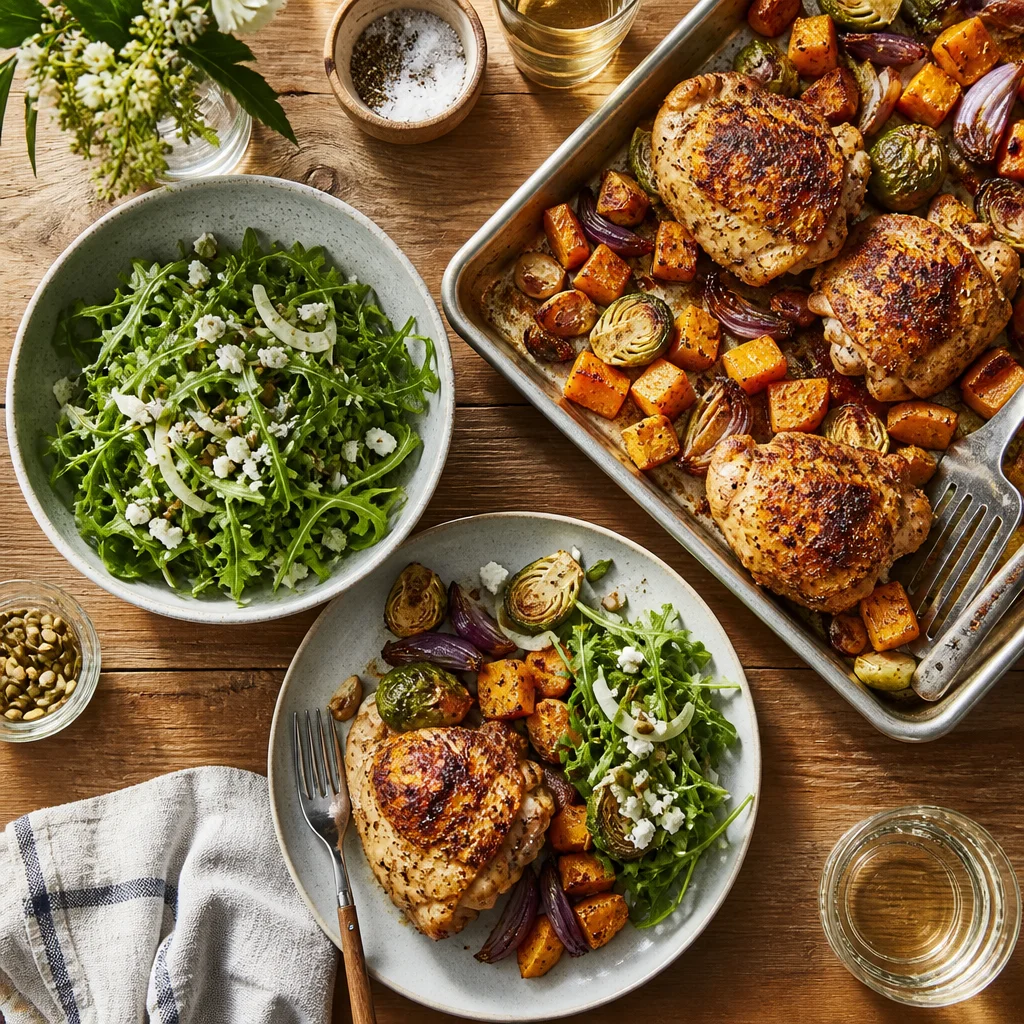
By the time you walk through your front door after a grueling workday, the prospect of cooking a balanced meal from scratch often feels like an impossible hurdle. Delivery apps beckon with a single tap, while your refrigerator harbors a grim collection of half-used produce that no longer looks appetizing. Yet, weeknight dinners do not need to be an exhausting chore or a nightly failure of imagination. Armed with a handful of fresh seasonal vegetables, a well-stocked pantry, and a few reliable culinary techniques, you can place a genuinely nutritious, delicious plate on the table in thirty minutes or less—one that far surpasses takeout in both flavor and cost.
This guide cuts through the culinary noise to provide a practical system for assembling fast, health-conscious dinners around whatever produce is currently peaking at your local market. You will discover how to intuitively balance a macro-friendly plate without reaching for kitchen scales, which fruits and vegetables to prioritize month by month, and five adaptable recipes designed to pivot based on what is locally available. Forget specialized equipment, intimidating ingredient lists, or long hours chained to a hot stove.
Why seasonal produce simplifies weeknight cooking
Ingredients at the peak of their natural cycle require remarkably little effort to taste incredible. A sun-ripened tomato in August bursts with natural sweetness and needs nothing more than a pinch of sea salt, whereas a pale, out-of-season tomato in February demands roasting, heavy spices, and prolonged simmering to yield anything edible. By cooking with ingredients already operating at their absolute best, you eliminate the tedious troubleshooting of flavor profiles and drastically cut down on prep time.
There is also an undeniable financial advantage to this approach. In-season produce is harvested at scale, making it significantly cheaper per pound and frequently sold in generous bundles at neighborhood markets. Structuring your menu around seasonal availability acts as an organic budget regulator, slashing your grocery bill without the misery of coupon clipping. Furthermore, it inherently curbs food waste, ensuring you buy fresh, high-grade ingredients you intend to consume within days rather than letting them decompose in the crisper drawer.
Beyond convenience and savings, seasonal rotation effortlessly diversifies your nutritional intake. Aligning your meals with the calendar guarantees you naturally cycle through nutrient-dense dark leafy greens in spring, antioxidant-rich stone fruits and nightshades in summer, fiber-packed winter squashes and root vegetables in autumn, and vitamin C-loaded brassicas and citrus in winter. This rotation delivers a far broader spectrum of micronutrients and dietary fiber than consuming the exact same vegetables twelve months a year.
The foolproof balanced plate formula
Modern nutrition advice is notoriously overcomplicated, but an effective weeknight plate relies on an instantly memorable geometric framework. Visualize your dinner plate divided into four straightforward quadrants:
- >Half the plate: vegetables and fruit. Target at least two contrasting textures or colors, prepared using methods you genuinely enjoy. Whether roasted until caramelized, sautéed with garlic, eaten raw in a crisp salad, or blistered under the broiler, they all count.
- >A quarter: quality protein. Options range from pasture-raised chicken, wild-caught salmon, and shrimp to organic eggs, firm tofu, tempeh, lentils, or thick Greek yogurt. A palm-sized portion per person provides a solid baseline for muscle recovery and satiety.
- >A quarter: smart carbohydrates. Prioritize slow-digesting, nutrient-dense options like farro, brown rice, quinoa, whole wheat pasta, fingerling potatoes, sweet potatoes, or fresh corn. These deliver sustained energy rather than a sharp glycemic spike and subsequent crash.
- >The finishing touch: healthy fats and vibrant flavor accents. Extra-virgin olive oil, artisanal tahini, sliced avocado, toasted seeds, a dollop of herbaceous pesto, or a bright garlic-yogurt drizzle. This is where healthy eating transitions from a restrictive diet into a deeply satisfying meal.
The true power of this formula lies in its adaptability. Swap the protein, substitute the grain, rotate the vegetable, and the structural integrity of the meal remains intact. You are not blindly following a rigid recipe; you are applying a repeatable culinary template.
A month-by-month seasonal blueprint
While exact agricultural timelines vary by geographic region, this pragmatic calendar serves as a dependable shopping guide for temperate climates:
- >Spring: asparagus, tender sugar snap peas, pungent radishes, baby spinach, crisp butter lettuce, scallions, new potatoes, tart rhubarb, and early strawberries. These fast-cooking items demand minimal heat and benefit from a bright squeeze of fresh lemon juice.
- >Summer: heirloom tomatoes, sweet zucchini, globe eggplant, crisp bell peppers, local sweet corn, green beans, cucumbers, peaches, wild berries, and armloads of fresh herbs. Lean into high-heat sautéing, grilling, and raw preparations.
- >Autumn: acorn and butternut squash, sugar pumpkins, dense sweet potatoes, earthy carrots, Brussels sprouts, dense cauliflower, crisp apples, pears, and wild mushrooms. Oven roasting becomes your most efficient kitchen ally.
- >Winter: winter cabbage, dinosaur kale, leeks, ruby-red citrus, parsnips, turnips, broccoli florets, and reliable frozen peas. Long braises, warming stews, and citrus-forward vinaigrettes keep cold-weather meals exciting.
A simple shopping rule to minimize decision fatigue: scan the perimeter of the grocery store, select two vegetables you already know how to cook swiftly, and grab one unfamiliar vegetable to experiment with. Two reliable choices plus one new item introduces healthy culinary novelty without turning a hectic Tuesday into a kitchen disaster.
Five flexible dinners to build your week around
1. Sheet pan lemon herb chicken with spring vegetables
Preheat your oven to 220C (425F). Toss bone-in chicken thighs with cold-pressed olive oil, freshly grated lemon zest, minced garlic, sea salt, cracked black pepper, and chopped rosemary, spreading them evenly across a rimmed baking sheet. Scatter trimmed asparagus, quartered new potatoes, and halved radishes directly around the chicken. Roast undisturbed for twenty-five minutes until the poultry reaches a safe internal temperature and the vegetable edges are deeply caramelized. Serve topped with a spoonful of whole-milk Greek yogurt whipped with fresh lemon juice and grated garlic.
This is the ultimate weeknight workhorse because radiant oven heat does the heavy lifting. To create alternative variations, swap the chicken thighs for wild salmon fillets introduced during the final twelve minutes of cooking, or substitute drained chickpeas for a plant-based iteration. Ensure all produce is chopped to uniform dimensions so it finishes cooking simultaneously.
2. Twenty-minute shrimp and summer corn sauté
Warm robust olive oil in a wide, heavy-bottomed skillet over medium-high heat. Add minced garlic cloves and a generous pinch of red pepper flakes, followed immediately by shelled shrimp, searing for exactly two minutes per side. Push the shrimp to the perimeter of the pan, add fresh sweet corn kernels, halved cherry tomatoes, and half-moon zucchini slices, tossing until just tender-crisp. Complete the dish with fresh lemon juice, a pat of grass-fed butter, and torn basil leaves. Serve warm over nutty quinoa or whole-wheat couscous.
This recipe relies on ingredients that cook in a flash, meaning all preliminary chopping must happen before the stove is ignited. If shellfish isn’t preferred, cubed firm tofu pressed and browned in identical fashion makes an exceptional substitute, while frozen sweet corn serves as a completely viable off-season alternative.
3. One-pot autumn harvest farro bowl
Simmer whole-grain farro in salted vegetable stock until chewy-tender, then drain. In the identical heavy pot, sauté diced yellow onion and cubed butternut squash in olive oil until the squash edges soften; introduce a splash of broth, cover with a tight-fitting lid, and steam until fork-tender. Fold the cooked farro back into the pot alongside shredded lacinato kale, toasted walnut halves, and crumbled sheep’s milk feta or creamy white beans. Dress the mixture directly in the pot with extra-virgin olive oil, raw apple cider vinegar, and a whisper of maple syrup.
Grain bowls represent the most forgiving dinner canvas available. Leftover roasted vegetables, stray pieces of artisan cheese, and half-empty jars of dressing can all converge here to form a cohesive, intentional meal. Boil a double batch of farro to instantly prep the base for tomorrow’s midday meal.
4. Winter root vegetable and white bean stew
Gently sweat chopped leeks and sliced carrots in olive oil until translucent, then add diced parsnips, celery root, and golden potatoes. Pour in rich vegetable broth and a can of crushed San Marzano tomatoes. Simmer gently until all root vegetables yield to a fork—about twenty minutes—then stir in creamy cannellini beans, a pinch of smoked Spanish paprika, and a handful of chopped winter greens. Finish with a bright squeeze of lemon juice and a finishing spiral of raw olive oil. Serve alongside thick, rustic, toasted whole-grain bread.
The hit of citrus at the very end is mandatory, not optional. Winter stews frequently taste flat without balancing acidity, and a splash of fresh juice instantly awakens a long-simmered pot. This hearty stew freezes exceptionally well, making it ideal for doubling during a quiet Sunday afternoon.
5. Crispy tofu with broccoli and sesame
Press excess moisture from firm tofu blocks, cut into bite-sized cubes, and toss thoroughly with organic cornstarch, sea salt, and white pepper. Pan-sear in a smoking-hot skillet with neutral oil until golden-brown and crisp on multiple surfaces, then transfer to a plate. In the same unwashed pan, stir-fry fresh broccoli florets with a splash of water, covering briefly until vibrant green and tender-crisp; toss in minced garlic and fresh ginger before returning the crispy tofu to the skillet. Coat everything in a simple emulsion of low-sodium tamari, unseasoned rice vinegar, raw honey, and toasted sesame oil. Serve over steamed brown rice garnished with black sesame seeds.
This specific technique reliably converts committed tofu skeptics and scales effortlessly to accommodate any rapid-cooking green vegetable: broccolini, sugar snap peas, or crisp bok choy. The cornstarch coating is what delivers that crucial shatteringly crisp crust, so never bypass it, and allow your skillet sufficient time to recover its heat between rounds.
Smart prep that preserves your sanity
Executing an elaborate meal-prep routine every Sunday is entirely unnecessary to streamline your weeknights. Twenty focused, intentional minutes over the weekend eliminate nearly all daily friction:
- >Batch-cook a large container of whole grains to store in an airtight container for up to four days.
- >Wash, spin-dry, and pack salad greens with a dry paper towel to absorb excess moisture and prevent premature wilting.
- >Whisk together one versatile, high-impact sauce—such as lemon-tahini dressing, herb yogurt, or a classic Dijon vinaigrette—stored in a glass mason jar.
- >Chop hardy, fibrous vegetables like carrots, bell peppers, and broccoli florets, housing them in transparent containers positioned at eye-level in the fridge.
- >Maintain a freezer inventory stocked with frozen peas, corn kernels, and chopped spinach as an emergency safety net when fresh produce supplies dwindle.
Common mistakes that derail dinner
- >Overcrowding the cooking pan. Piling vegetables too densely causes them to steam rather than develop a deeply savory, caramelized brown crust. Always utilize two pans or cook in successive batches.
- >Neglecting balancing acidity. A final splash of citrus juice, fruit vinegar, or a dollop of cultured dairy acts as a culinary lever, instantly elevating every flavor component on the plate.
- >Purchasing excessive quantities. A refrigerator bursting with decaying greens breeds culinary fatigue. Shop purposefully for three or four weeknight dinners rather than attempting to map out all seven.
- >Ignoring the oven’s efficiency. High-heat roasting is the lowest-effort, highest-reward cooking modality available, freeing your hands to manage other household priorities.
- >Chasing overly complex recipes mid-week. Save ambitious culinary experiments for leisurely weekends, keeping your Monday-through-Thursday cooking intentionally streamlined.
Putting it all together
Assembling balanced, exciting weeknight dinners ultimately relies on a repeatable cadence rather than exhaustive perfectionism: purchase produce that reflects the current season, maintain a curated pantry of high-impact staples, respect the half-plate vegetable ratio, and lean heavily on passive cooking techniques. Begin by executing just one recipe from this blueprint this week, layering in a second recipe the following week. Within a single month, you will establish an organic, highly personalized dinner rotation tailored precisely to your schedule, household budget, and local harvest—turning the perennial question of what to cook on a Tuesday from a stressful chore into a seamless daily ritual.
“