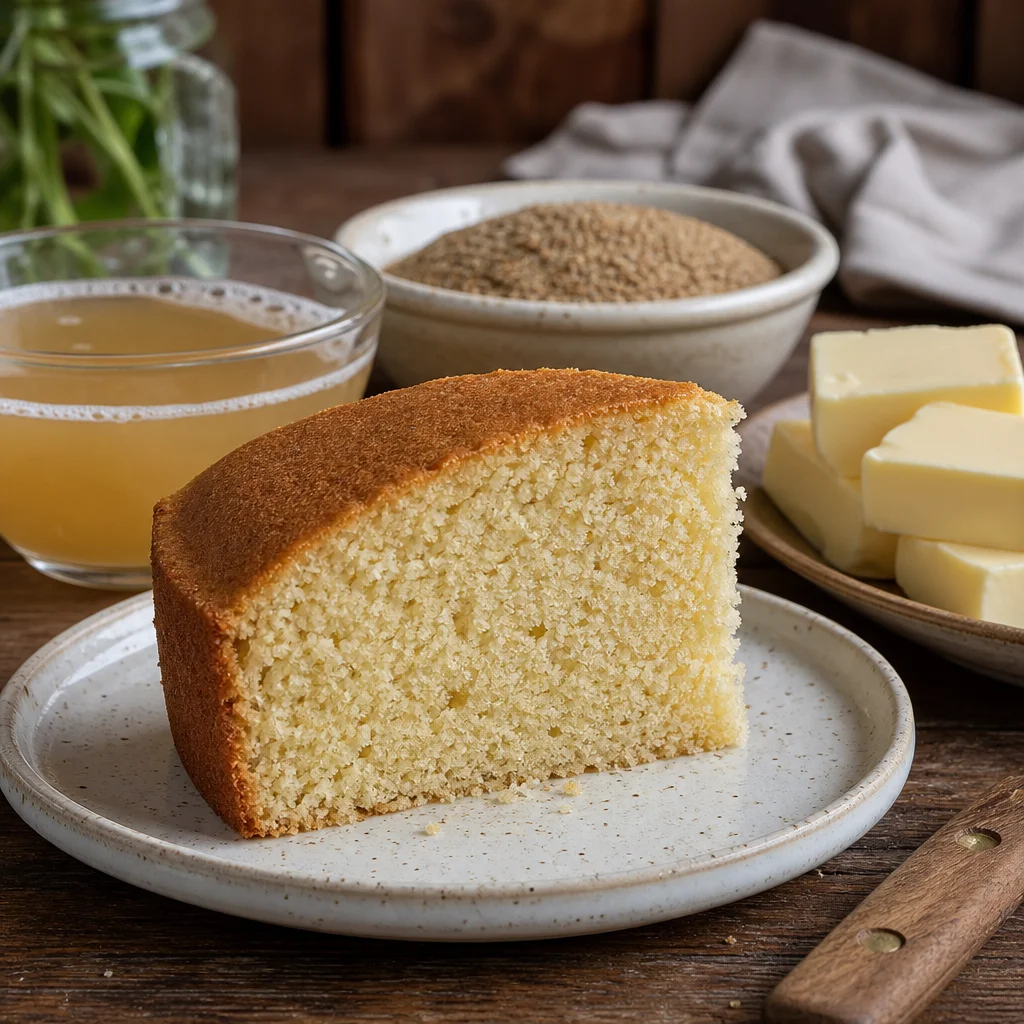
Swapping eggs and dairy butter for plant-based alternatives is mechanically straightforward, but achieving those exact swaps without losing structural crumb, satisfying chew, or a crackly top remains the ultimate test for modern bakers. Traditional baking operates on a strict chemical balance of proteins, emulsified fats, bound water, and crystalized sugars. Every time you remove an animal-derived component, you disrupt that invisible scaffolding. The good news is that texture is never a matter of culinary luck. It is pure food science. Once you decode the functional load of each traditional ingredient, you can engineer a plant-based replacement that executes the exact same physical job rather than just looking similar in a mixing bowl.
Why Texture Is the Real Test of Plant-Based Baking
The vast majority of failed vegan bakes do not suffer from poor flavour profiles; they fail at the structural level. A cake that tastes delicious but craters in the centre, a cookie that melts into an unctuous puddle of grease, or a loaf of bread that crumbles into sawdust under the knife all point to a single root cause: the substitution ingredient was chosen for its visual likeness rather than its biochemical function. Whole eggs, cultured butter, and dairy milk are absolute multi-taskers. They simultaneously bind, leaven, tenderize, caramelize, carry fat-soluble aromatics, and lock in hydration. Because a single plant-derived alternative rarely replicates all six traits, your strategy must target the dominant structural job required by your specific recipe, stabilize that element first, and then compensate for secondary traits by making micro-adjustments to liquids, fats, free sugars, and leavening agents.
What Eggs Actually Do in a Recipe
Eggs perform four distinct, highly specialized roles in baking. They bind loose particles together using coagulating proteins, they build structural integrity as their albumen sets under heat, they contribute rich moisture and emulsified lipids, and when beaten into a foam, they mechanically trap air to leaven dense batters. The precise weight of each role shifts dramatically from one formulation to another. In a dense chocolate chip cookie, the egg primarily acts as a binder and moisture regulator. In a delicate chiffon cake, it functions as the primary structural skeleton and leavening agent. In a pastry cream or curd, it acts as a thermal thickener. This is why universal egg replacers often fall short. Before reaching for a substitute, evaluate which of these four functions is mission-critical for your recipe’s success, and match your plant ingredient accordingly.
Binding Without Eggs: Flax, Chia and Psyllium
A classic flax egg combines one tablespoon of finely milled flaxseed with three tablespoons of water, left to rest for ten minutes until mucilaginous gums hydrate. It binds heavily and imparts a toasted, nutty depth that complements hearty whole-grain muffins, breakfast cookies, whole-wheat pancakes, and dense energy bars. Chia seeds function similarly but yield a firmer gel with visible dark specks. Psyllium husk powder represents the heavy-duty option: blending one teaspoon into three tablespoons of water creates an elastic, highly viscous hydrocolloid network that holds gluten-free bread doughs together and mimics the stretch of gluten for a sliceable crumb. Use psyllium with restraint; an excess transforms a tender crumb into a rubbery, gummy bite. Meanwhile, silken tofu serves as the quiet hero for rich, heavy structures. Blending sixty grams of smooth silken tofu replaces one whole egg in brownies, dense cheesecakes, and pound cakes, adding luxurious moisture and protein body without altering the flavor profile.
Aquafaba and the Structure Problem
Aquafaba—the viscous liquid strained from cooked chickpeas—is the most chemically accurate plant analogue to egg albumen. Three tablespoons roughly equate to one large egg white. When whipped with a pinch of cream of tartar or citric acid to stabilize its proteins, it forms a resilient foam capable of lifting airy sponge cakes, crisp meringues, and delicate macarons. Technique dictates success here. Always use liquid from low-sodium or unsalted chickpeas, gently simmer it down on the stovetop if it appears watery, chill it thoroughly before whipping, and gently fold it into heavy batters in three separate additions using a wide spatula. Overmixing instantly shears the delicate air cells, causing the cake to rise aggressively in the oven before collapsing into a heavy layer. Furthermore, aquafaba browns significantly faster than standard egg whites, so you must monitor your bake closely during the final ten minutes.
Replacing Butter: Fat, Water and Aeration
Traditional dairy butter performs a triad of functions simultaneously. It supplies short-chain fatty acids for tenderness, it carries roughly sixteen percent water which vaporizes into steam during baking to provide mechanical lift, and when creamed with granular sugar, its solid fat crystals trap micro-air pockets. Block-style vegan butter formulated with a fat content hovering around eighty percent mimics all three characteristics and serves as the most reliable direct substitute in laminated pastries and cookies. Conversely, pure coconut oil delivers exceptional crispness in shortbreads and pie crusts, but its low melting point means cakes can turn greasy and cookies can spread into flat discs. Neutral culinary oils produce a permanently moist, fine crumb with zero aeration, which is why oil-based cakes require supplemental chemical leaveners and a slightly reduced oven temperature. Applesauce and mashed banana replace intrinsic moisture rather than fat, meaning they should never substitute for more than fifty percent of the total fat. Mashed avocado works brilliantly in dark chocolate brownies, though it can impart a faint green hue and a heavier density if overused.
Plant Milks and the Buttermilk Trick
Soy milk boasts the highest natural protein content among plant milks, making it the superior choice for promoting browning and structural strength. Oat milk offers a naturally creamy mouthfeel and mild sweetness ideal for hearth breads and quick-bread muffins. Almond milk is structurally thin and undergoes minimal Maillard browning, while full-fat canned coconut milk adds decadent richness to dense cakes but can easily weigh down a delicate sponge. To engineer plant-based buttermilk, whisk one tablespoon of fresh lemon juice or distilled white vinegar into one cup of room-temperature plant milk and let it rest undisturbed for five to ten minutes until visible curdling occurs. The resulting lactic and citric acid reacts vigorously with baking soda, driving an accelerated rise and tenderizing the gluten network or gluten-free starches. Always incorporate this acid directly into your liquid ingredients rather than dumping it onto dry powders to ensure even chemical distribution.
Sweeteners, Sugar and Moisture
In baking chemistry, sugar functions primarily as a liquid ingredient in disguise. As it melts during baking, it dissolves, binds free water molecules, tenderizes proteins, accelerates browning via caramelization and Maillard reactions, and delays staling. Liquid sweeteners like amber maple syrup, light agave nectar, and coconut nectar introduce substantial free water alongside their sugars. To compensate, reduce the total liquid content of the recipe by roughly one-quarter cup for every cup of liquid sweetener utilized. Liquid sweeteners also promote rapid surface browning, requiring you to lower your oven temperature by approximately ten degrees Celsius. In cookie formulation, sugar controls lateral spread; substituting a portion of granulated sugar with a liquid syrup yields a softer, wider cookie unless the unbaked dough is thoroughly chilled in the refrigerator.
Flour Blends, Starches and Binders
Whole-grain and gluten-free flour alternatives absorb ambient liquids at drastically different rates than refined white wheat flour, and they completely lack the elastic gluten matrix required to trap expanding gas bubbles. Always reinforce gluten-free formulas with a hydrocolloid binder, adding one-quarter to one-half teaspoon of xanthan gum per cup of flour, or one to two teaspoons of psyllium husk for structural breads. Incorporating a measured portion of pure starch—such as cornstarch, tapioca flour, or potato starch—keeps the crumb tender and eliminates the chalky, gritty mouthfeel common in gluten-free goods. Protein-dense flours like chickpea flour or almond flour add nutritional value and structure, but their density requires pairing with lighter starches. Allow your batter or dough to rest undisturbed for twenty to thirty minutes before baking to let the alternative flours fully hydrate and stabilize their structural network.
Leavening and Rise
Plant-based batters are inherently heavier due to denser flours and alternative binders, but blindly increasing the amount of chemical leavening is rarely the correct solution. Excess baking powder causes a rapid, uncoordinated initial rise followed by structural deflation, leaving a gummy, dense layer at the bottom of the pan. Stick to standard culinary ratios, ensure your batter contains adequate acid to neutralize baking soda, and rely on mechanical aeration from whipped aquafaba or thoroughly creamed vegan butter for structural lift. Furthermore, bring all refrigerated components to room temperature before mixing; cold plant fats refuse to trap air during creaming, and freezing plant milks can cause batters to seize.
Matching the Substitute to the Recipe
To achieve perfectly chewy cookies, pair a concentrated flax egg with a high-fat block vegan butter and rest the dough overnight. For morning muffins and quick-bread loaves, substitute applesauce for half the required fat and deploy plant buttermilk to drive an upward lift. For delicate sponge cakes and layered celebration cakes, whip aquafaba to stiff peaks and fold it in with absolute culinary precision. For fudgy, decadent brownies, blend smooth silken tofu directly into the wet ingredients. For artisan sandwich bread and pizza crusts, combine psyllium husk with a high-protein flour blend to secure essential elasticity. For flaky pie pastry and shortcrusts, utilize ice-cold block coconut oil or solid vegan butter blocks, handling the dough as minimally as possible to preserve fat shards.
Temperature, Time and the Bake
Bakes relying on neutral oils or whipped aquafaba benefit enormously from an oven temperature set ten to fifteen degrees Celsius lower than standard traditional recipes, coupled with a slightly extended baking time. This thermal adjustment allows fragile plant structures to fully set before the exterior caramelizes too quickly. Rotate your baking pans halfway through the cycle, tent the surface with aluminum foil if it begins darkening prematurely, and begin checking for doneness at seventy-five percent of the stated bake time. A wooden skewer inserted into the dead center should emerge with a few moist clinging crumbs rather than wet streaks. Allow cakes to cool inside their pans for at least ten minutes before attempting to invert them, as plant-based crumb structures are significantly more fragile while piping hot.
Troubleshooting Common Textures
If your finished bake crumbles apart upon slicing, increase your binder concentration or add an extra tablespoon of fat. If the interior remains stubbornly gummy, reduce your total liquid volume, scale back on psyllium husk, or extend the bake time at a slightly lower heat. If your cookies spread into a flat, greasy sheet, chill the dough thoroughly, reduce liquid sweeteners, or verify that your baking powder is still active. If a bake turns out dry, pale, and cottony, incorporate richer fats and switch to soy milk to promote browning. If you notice a chalky or metallic aftertaste, let your batter hydrate longer and balance your starches. If a cake rises majestically and then collapses, you have either introduced too much chemical leavening or under-whipped your structural foam.
Keep Notes and Change One Thing at a Time
Successful plant-based baking rewards meticulous record-keeping. Weigh your ingredients in grams rather than cups, jot down every substitution alongside exact oven temperatures, and alter only a single variable with each baking test. Within three or four systematic iterations, you will establish a personal conversion matrix capable of transforming any legacy family recipe into a reliable plant-based masterpiece, complete with the ideal crumb, chew, and crust you demand.
“