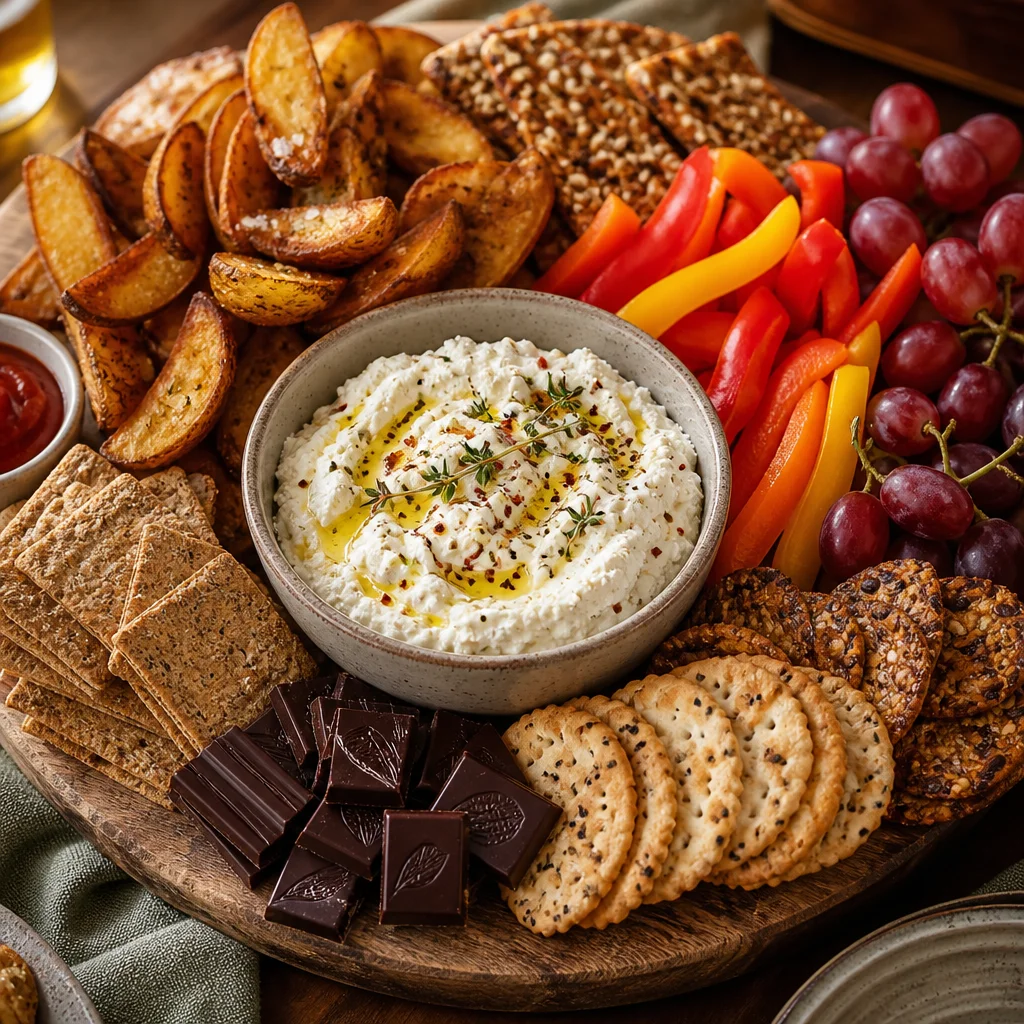
Why a Great Snack Platter Wins the Room
Game day food has one mission: keep guests completely satisfied without ever pulling their eyes away from the screen. A well-constructed snack platter achieves this better than almost any alternative. It arrives fully assembled, requires zero formal plating, and invites every guest to curate a custom plate tailored to their exact appetite, dietary needs, and cravings. The secret lies in treating your board like a curated mini-menu rather than a chaotic dumping ground for random chips and leftover dip. When every single item is selected with clear intent, a single tray delivers a symphony of salty, creamy, crunchy, spicy, fresh, and sweet notes simultaneously. That meticulous balance is precisely what keeps hands reaching back for more through a nail-biting fourth quarter.
Start With the Guest List, Not the Grocery List
Before you purchase a single ingredient, answer three fundamental questions: How many people are attending, how long will the watch party last, and who has dietary restrictions? A high-stakes, four-hour game with eight ravenous friends requires roughly double the food volume of a casual two-hour gathering with four. Calculate roughly six to eight substantial bites per person per hour, then add a safety buffer of twenty percent because successful platters always vanish faster than anticipated. Proactively ask about allergies, intolerances, and lifestyle diets a few days prior. A quick group chat prevents the awkward scenario where a friend has to nibble on plain celery all evening while everyone else indulges in loaded nachos.
Structure your shopping list by specific food categories rather than rigid recipes: one creamy dip, one hot bite, two crunchy items, two fresh items, and one sweet finish. This framework scales effortlessly. For six guests, one item per category is more than enough. For twelve, double the crunch and fresh produce sections while keeping the hot bite to a single generous tray so nothing sits out on the counter long enough to go cold and unappealing.
Build the Platter in Five Distinct Zones
Treat your serving board like a tactical map. Each zone serves a distinct purpose, offering a specific texture and temperature that complements the others. Once you master these five foundational zones, you can easily swap individual ingredients week after week, transforming the exact same structural layout into an entirely new culinary experience.
Zone One: The Creamy Anchor
Creamy elements provide the comforting base that keeps guests coming back. A bowl of whipped feta with lemon zest, a smoky white bean dip, or a rich herb-infused sour cream gives the palate a luxurious soft break between loud, salty snacks. Keep the initial serving bowl relatively small and refill it fresh rather than setting out a massive vat that warms up and forms a skin on the counter.
Zone Two: The Hot Bite
One warm item instantly elevates the spread, making the entire setup feel catered. Loaded potato wedges, mini meatballs coated in a sticky glaze, or a sheet pan of sliders cut cleanly into quarters all perform exceptionally well. Serve hot items in shallow ceramic or cast-iron dishes so they release steam evenly, retain heat longer, and sit invitingly near the center of the action where guests naturally congregate.
Zone Three: The Crunch
Crunch is the engine driving any successful snack platter. Combine varied shapes and structural strengths: sturdy tortilla chips built for heavy scooping, thin pretzel twists for instant salt hits, toasted pita triangles, and unexpected elements like roasted spiced chickpeas or sesame rice crackers. Stick to two or three distinct crunchy items; any more and your board begins to resemble a grocery store chip aisle.
Zone Four: The Fresh and Bright
Fresh components reset the palate between heavy bites and inject vibrant visual life into the platter. Crisp cucumber rounds, sweet bell pepper strips, ripe cherry tomatoes, and red grapes do the heavy lifting with virtually no prep work. Introduce a sharp acidic element, such as quick-pickled red onions or marinated Castelvetrano olives, because rich fats and heavy salts demand a tart counterpoint to remain appetizing.
Zone Five: The Sweet Finish
Conclude with a deliberate, micro-sized sweet note. High-percentage dark chocolate squares, a small ramekin of salted caramel popcorn, or buttery shortbread cookies snapped in half work wonders. Sweet treats should occupy the smallest physical footprint on the board, signaling a satisfying finale rather than transforming your snack table into a dessert buffet.
Dips That Do the Heavy Lifting
A truly exceptional dip must be thick enough to cling to a chip without dripping and flavorful enough to stand completely on its own merits. Plan for two distinct dips: one dairy-based and mild, the other bold and intensely savory. A whipped feta infused with fresh lemon juice and good olive oil nails the first profile. A warm black bean and roasted corn dip spiked with cumin, smoked paprika, and lime juice nails the second.
Prepare your dips a full day in advance whenever possible. The flavor profiles deepen and meld overnight, freeing up your precious game-day hours for managing hot foods and final styling. Store them directly in your serving bowls in the refrigerator, then let them sit at ambient room temperature for twenty minutes before guests arrive so they achieve an optimal, spreadable consistency rather than freezing cold stiffness. If you are hosting a dairy-free crowd, a silky roasted red pepper and walnut muhammara dip delivers the exact same rich mouthfeel without a single drop of dairy.
Hot Bites Worth the Oven Time
Resist the temptation to make multiple hot dishes; one is the magic number. Attempting two hot items turns your kitchen into a hectic restaurant line and traps you away from the living room during the opening kickoff. Choose a recipe that can be fully prepped ahead of time and executed in a single oven cycle. Loaded potato wedges are ideal: parboil and season them in the morning, spread them evenly on a sheet pan, and roast them precisely thirty minutes before game time. Mini meatballs brown effortlessly in a covered baking dish and hold their temperature in a rich sauce. Sliders can be baked all at once as a massive sheet-pan slab and sectioned into individual portions in seconds.
Whatever you prepare, keep the portions strictly bite-sized. Anything requiring two hands and a formal plate competes directly with the television screen. Aim for one or two bites maximum per piece, which means quartering sliders and halving oversized meatballs.
Crunch Without Relying Solely on Bags of Chips
Commercial potato chips are fine, but a platter built exclusively on them feels one-dimensional by halftime. Combine heavy-duty dippers with lighter, artisan elements and savory-salty snacks. Tortilla chips anchor heavy bean dips, pita triangles pair seamlessly with hummus and whipped feta, while pretzels, roasted chickpeas, and tamari-spiced almonds cover grab-and-go snacking that requires zero attention. If you want a homemade touch with minimal effort, toss plain pita triangles in olive oil, flaky sea salt, and ground cumin, then bake them at 375°F for eight minutes. They stay shatteringly crisp for hours and cost pennies to make.
Fresh Elements That Cleanse the Palate
Fresh produce is never mere table filler. After three rounds of heavily salted and fatty finger foods, human taste buds actively crave hydration and natural acidity. Cucumber slices, crisp pepper strips, and juicy cherry tomatoes deliver refreshing hydration with zero cooking required. Grapes and crisp apple slices introduce natural sweetness, pairing exceptionally well with sharp aged cheeses and cured charcuterie. Always include a small bowl of pickled jalapeños or pepperoncini for guests who appreciate a sharp, vinegar-forward jolt between heavy bites.
Something Sweet, Kept Intentionally Small
The sweet corner of your board should feel like a delightful surprise. A scattering of dark chocolate squares, a small bowl of sea salt popcorn, or broken pieces of shortbread cookies hit the mark. Mind the ambient room temperature: chocolate softens rapidly in a warm room filled with cheering people and proximity to hot dishes, so place sweets in a separate small dish on the coolest edge of the board and replenish as needed.
Feeding a Crowd With Dietary Restrictions
Dietary restrictions are remarkably simple to manage on a self-serve snack platter compared to a plated sit-down meal. Keep meats and strong cheeses grouped in distinct clusters so vegetarian guests can easily navigate the board without hesitation. Label any items containing nuts, dairy, or gluten with small folded place cards—it takes under a minute and eliminates awkward guessing games. Ensure at least one primary dip is completely plant-based and one major crunchy element is certified gluten-free so no guest is left stranded with a raw carrot.
Hosting friends with diverse diets also opens the door to creative substitutions. Swap standard dairy cheese for artisanal cashew-based alternatives, or feature grain-free seed crackers alongside traditional wheat options. When labels are clear and dietary zones are clearly demarcated, guests feel immediately accommodated and cared for, setting a relaxed tone for the entire gathering.
Timing: A Bulletproof Two-Hour Prep Plan
Game day should feel like a celebration, not a frantic kitchen marathon. Work backward methodically from the kickoff time and let your kitchen appliances handle the heavy lifting during the final countdown.
Two days prior: Complete your grocery run, wash and dry all fresh produce, and prepare any quick-pickled elements.
The day before: Cook all dips, bake any homemade crunchy components, and chop vegetables, storing them in airtight containers lined with a damp paper towel to maintain peak crispness.
Two hours before kickoff: Assemble your hot dish components and store them covered in the fridge. Set out your serving board, arrange all serving utensils, and chill your beverage selection.
Forty-five minutes prior: Preheat your oven and roast the hot food according to your schedule.
Fifteen minutes prior: Arrange the fresh and crunchy zones on the board, then crown the center with the hot dish straight from the oven. Add chilled dips and sweet treats last so nothing warms up prematurely.
Presentation Rules That Actually Matter
You do not need a professional culinary styling background to make a snack platter look stunning. Three golden rules govern successful board design. First, utilize vertical height: small elevated bowls, ramekins, and stacked ingredients break up a flat visual plane and make the board look abundant without requiring mountains of extra food. Second, deliberately leave negative space. Crowding looks messy and claustrophobic, whereas breathing room signals thoughtful intention. Third, group ingredients by harmonious color palettes and contrasting textures so the human eye can easily navigate each zone, placing heavy dip bowls where hands naturally reach first.
Select a serving board or large platter that fits comfortably on your coffee or dining table while leaving at least a two-inch clear border around the edges. Place dedicated serving utensils inside every single dip bowl rather than relying on one communal spoon, and set out a small stack of cocktail napkins alongside a discrete bowl for olive pits, toothpicks, and stems at the edge of the table. If your watch party spans an afternoon and evening lasting longer than three hours, prepare a second smaller backup board in the refrigerator to swap in halfway through so everything stays crisp, chilled, and appetizing.
Mistakes That Sink a Good Platter
The most frequent error hosts make is severe overloading. A platter jammed with fourteen different items looks impressive for thirty seconds and visually exhausting for the next three hours. Stick firmly to seven to nine well-chosen components. The second major misstep is deploying all food simultaneously; hot items must arrive after guests have settled into their seats, not twenty minutes before kickoff when they go stone cold. The third mistake is forgetting the practical infrastructure—failing to provide napkins, a trash receptacle for waste, or stable coasters for drinks. Fix these three common pitfalls and the food effortlessly takes care of itself.
Frequently Asked Questions
How much food do I actually need to prepare per person?
Plan conservatively on six to eight substantial bites per person per hour, plus a twenty-percent safety buffer. For a three-hour game hosting ten hungry guests, calculate roughly two hundred total bites. In practical terms, this translates to about four cups of combined dip, two large bags of quality dippers, one substantial hot tray, and a modest sweet section.
Can I build the entire snack platter ahead of time?
You can assemble the firm, dry, and non-perishable sections up to two hours in advance, then drape the board loosely with clean plastic wrap. Add fresh dips, delicate cut fruit, and ingredients prone to moisture or softening at the very last minute. Hot food must always join the party straight from the oven.
The Final Whistle
Executing an unforgettable game-day snack platter relies far less on complex cooking skills and much more on intelligent structural design. Choose one creamy anchor, one hot bite, two crunchy items, two fresh elements, and a restrained sweet finish. Prep everything humanly possible the day before, leave ample breathing room across your board, and position the food right where your friends are already gathered. Master this approach, and your platter will quietly execute its ultimate purpose: keeping the conversation lively, the seats occupied, and allowing you to actually watch the game instead of constantly sprinting back and forth to the kitchen.
“