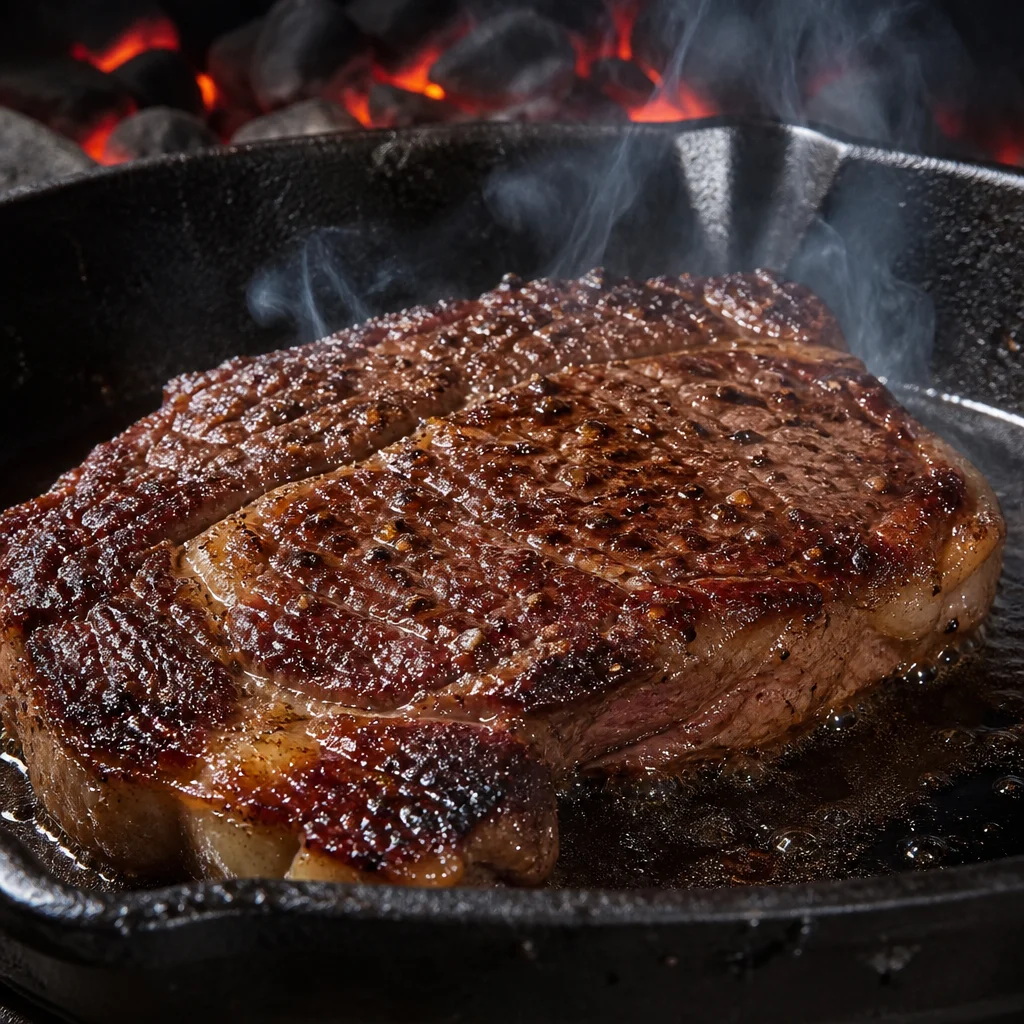
Cast iron commands a reputation that borders on domestic folklore. Home cooks guard their heavy skillets like prized heirlooms, while culinary enthusiasts debate whether the obsession stems from genuine thermodynamic performance or pure nostalgia. The reality lives squarely in the intersection of physics and organic chemistry. A well-seasoned cast-iron skillet functions as a miniature chemical laboratory right on your stovetop, orchestrating complex reactions between radiant heat, lipids, and food molecules that fundamentally transform the taste of everything from a ribeye steak to artisanal cornbread.
The Metallurgy Behind the Magic
At its core, cast iron is an iron-carbon alloy containing roughly two to four percent carbon, poured while molten into intricate sand molds. This high carbon content makes the metal rigid and brittle, yet it creates a microscopic topography defined by millions of microscopic peaks, valleys, and pores. These microscopic imperfections serve as the mechanical anchor for your seasoning layer. While a smooth stainless steel pan offers an indifferent surface, cast-iron metal is porous and receptive, gripping oils and fats in a way machined metals cannot.
The traditional sand-casting process leaves a distinct, textured micro-finish that varies slightly between manufacturers. Vintage American skillets from brands like Griswold or Wagner were frequently machined and polished to a glass-like smoothness after casting, a finish collectors still chase today. Modern boutique manufacturers are reviving this milling technique. A smoother cooking surface seasons much faster, though a slightly coarser factory texture can anchor initial layers of oil with aggressive tenacity.
What Seasoning Actually Is
The glossy black patina coating a quality skillet is neither accumulated dirt nor stagnant grease. It is a tightly cross-linked matrix of polymerized lipids. When you heat microscopic films of oil past their specific smoke point in an oxygen-rich environment, unsaturated fatty acid chains undergo thermal oxidation and cross-link into a resilient, plastic-like biomaterial. Each cooking session deposits another ultra-thin microscopic layer.
This seasoning layer directly influences flavor because it is chemically active, not inert. The micro-pores within the polymer matrix trap volatile flavor compounds and aromatic molecules from past meals—the subtle molecular memory of seared garlic, rendered duck fat, and fresh thyme. This cumulative seasoning profile is why pancakes baked in a decades-old skillet carry an unmistakable depth of flavor that a brand-new pan simply cannot replicate.
Heat, Mass, and the Maillard Reaction
The Maillard reaction—the complex chemical choreography where amino acids and reducing sugars combine at high heat to generate hundreds of distinct savory flavor compounds—demands two strict environmental conditions: high surface temperature and low moisture. Cast iron delivers both through sheer thermal capacity. A thick, heavy skillet stores an immense reserve of thermal energy. When a cold, damp cut of beef hits the surface, the pan barely drops in temperature. Heat continuously radiates into the meat, evaporating surface moisture instantly and driving aggressive browning instead of gray-water steaming.
Lightweight aluminum or thin stainless steel pans behave in precisely the opposite manner. They dump their meager thermal energy instantly into the food, cool down rapidly, and force the meat to stew in its own exuded juices. This thermal physics explains why an identical cut of beef develops a completely different flavor profile in cast iron compared to nonstick cookware. The skillet acts as a thermal buffer, and that energy regulation determines whether you achieve a rich, nutty crust or a muted, steamed texture.
Preheating Is Not Optional
Cast iron is a notoriously slow thermal conductor with low thermal diffusivity. Toss food into a cold or hastily warmed skillet, and you invite sticking and uneven cooking. Give your pan a thorough five- to ten-minute preheat over medium-low to medium heat before cooking. This allows thermal energy to distribute uniformly throughout the heavy metal matrix, eliminating localized hot spots that scorch proteins. A properly preheated pan guarantees an even, uninterrupted sear across the entire protein surface.
The Trace Iron Question
Cooking high-moisture or acidic ingredients in bare cast iron introduces microscopic amounts of elemental iron into your food. Nutritional studies confirm measurable increases in dietary iron content for dishes simmered in unenameled skillets, particularly when the cookware is brand new or freshly scrubbed. For populations struggling with iron deficiency, this serves as an unintended health benefit; for individuals managing hemochromatosis, it demands dietary caution.
From a culinary perspective, this chemical interaction carries distinct flavor implications. Free iron ions react with strong acids, imparting a noticeably metallic off-flavor, particularly in extended tomato reductions or wine-based braises. The correct strategy is matching the equipment to the ingredient: reserve cast iron for high-heat sears, stir-fries, and quick baking tasks, while delegating long, acidic simmers to enameled cast iron or stainless steel.
Fat, Smoke Point, and the Flavor Layer
Lipids behave unpredictably under intense thermal stress. Butter contains milk solids that burn rapidly and turn bitter at searing temperatures, while extra-virgin olive oil boasts a relatively low smoke point. For high-temperature searing, utilize clarified butter (ghee) or refined oils with high smoke points, then incorporate fresh whole butter at the very end of the cooking cycle off the heat. This dual-stage technique captures the high-heat Maillard notes of the bare metal while layering in the rounded, nutty richness of fresh dairy fats.
Furthermore, fats act as indispensable flavor delivery systems. Countless aromatic compounds are strictly fat-soluble; they dissolve directly into cooking oils and coat your taste receptors far more efficiently than water-based solutions. This is why a steak seared in a generous pool of rendered fat tastes infinitely more intense than one cooked on a dry surface, even when internal temperatures match perfectly.
Deglazing transforms discarded pan debris into culinary gold. Those caramelized protein fragments stuck to the bottom of your skillet are known as *fond*. Pouring a splash of dry wine, rich stock, or aromatic vinegar into the hot pan causes the liquid to flash-boil, dissolving those concentrated sugars and proteins into an instant pan sauce. Cast iron excels at this step because its stored thermal energy maintains a steady simmer, though you must avoid thermal shock by ensuring your deglazing liquid is at room temperature before hitting a screaming-hot surface.
Why Cast Iron Makes Vegetables Sweeter
Roasting vegetables in a heavy cast-iron pan unlocks concentrated sweetness that steaming or boiling suppresses. Direct contact with a searing-dry metal surface accelerates the caramelization of natural plant sugars and vaporizes intracellular water. Brussels sprouts, root vegetables, and sweet onions develop deeply browned, charred edges paired with a rich, earthy flavor profile. The massive thermal mass of the skillet ensures that overloading the pan with fresh produce does not crash the cooking temperature, guaranteeing crisp textures rather than soggy results.
Baking: Where Cast Iron Quietly Wins
Cornbread, skillet pizzas, clafoutis, and artisanal rustic breads achieve superior results in cast iron due to radiant heat transfer. Placing a cold batter or wet dough into a preheated cast-iron vessel delivers an immediate, shock-wave of thermal energy that instantly sets the outer crust before the interior structural crumb can dry out. This physical mechanism produces the iconic crispy, golden-brown crust on cornbread that glass baking dishes simply cannot replicate.
Bare Iron Versus Enameled Cast Iron
Enameled cast iron provides the identical thermal mass of traditional iron while sealing the metal beneath a smooth layer of vitreous glass. This porcelain enamel barrier prevents iron migration and stands up to long, highly acidic braises. However, bare cast iron remains unmatched for dry, aggressive high-heat tasks like blackening, heavy searing, and high-temperature baking. Maintaining one piece of each in your kitchen covers every conceivable culinary technique.
Cleaning Without Destroying the Layer
The archaic kitchen myth forbidding the use of dish soap on cast iron is scientifically obsolete. Modern dish soaps utilize mild, pH-balanced surfactants that lack the lye concentrations capable of stripping a fully polymerized seasoning layer. What genuinely ruins seasoning is prolonged soaking, aggressive scouring with abrasive steel wool pads, and storing the pan wet. Clean your skillet with warm water, a stiff nylon brush, and a drop of mild soap if necessary, dry it thoroughly over a warm burner, and apply a microscopic film of oil while the metal remains warm.
If your skillet develops a sticky or tacky texture instead of a slick surface, you have applied too much oil during maintenance. Excess unpolymerized oil cures into a gummy residue. Correct this by placing the pan upside down in a 450°F (230°C) oven for one hour to fully polymerize the trapped excess, then adjust to micro-thin oil applications moving forward.
A Note on Smoke and Ventilation
Intense high-heat cast-iron cooking generates visible smoke, which is not a sign of procedural failure but the natural indicator of fats breaking down at extreme temperatures. Ensure adequate kitchen ventilation by running extraction hoods or opening windows, or select refined cooking oils with higher smoke points if your ventilation is limited. Mastering heat control allows you to achieve magnificent crusts with minimal smoke production.
Myths Worth Retiring
- Cast iron is naturally nonstick: Only a meticulous, well-maintained polymer seasoning layer provides nonstick performance, and only for specific foods.
- You can never cook tomatoes in bare iron: You certainly can for brief periods, but extended acidic simmers belong in stainless steel or enameled cookware.
- It heats evenly across the surface: Cast iron holds and distributes heat exceptionally well once saturated, but it conducts heat slowly and develops localized hot spots initially.
- It is indestructible: Extreme thermal shock, accidental drops, and severe rust neglect can permanently fracture or ruin vintage iron.
Bringing It Together
Cast iron is not a culinary gimmick; it is an uncompromising, patient instrument that rewards attentiveness in the cook. Preheat it deliberately, manage your fats wisely, keep the cooking surface clean and lightly oiled, and it will reward you with exceptional crusts, profound caramelization, and deep flavor notes that lightweight cookware cannot touch. The underlying science is transparent, and the finished results speak for themselves.
“